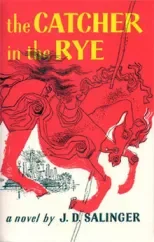
I have a complicated relationship with The Catcher in the Rye. I read it at seventeen, the right age, and I found Holden Caulfield insufferable. I read it again at thirty, and I found him heartbreaking. But one thing has not changed across either reading. He’s right about the phonies.
Holden hates anyone who performs. He hates the headmaster who schmoozes wealthy parents while pretending to care about students. He hates the boys at school who laugh at things they do not find funny. He hates the adults who say one thing and mean another. His radar for insincerity is exhausting, but it’s also accurate.
I think about Holden whenever I read brand copy that feels fake.
The Customer Is Always Holden
Customers today are not stupid. They’ve been marketed to their entire lives. They’ve seen every trick. And they have developed something like Holden's radar for insincerity. They can tell when a brand is pretending to be something it is not.
There’s a kind of brand voice that tries to please everyone. It uses the same adjectives as every other brand. Innovative. Disruptive. Authentic. It speaks in a cheerful, inoffensive tone that could belong to anyone. It’s technically fine. But it’s also forgettable.
Holden would hate it. Not because it’s evil, but because it’s fake. It’s a performance. And the performance is not even for a good reason. It’s just fear. The brand is afraid to sound like itself because it might alienate someone.
Why Authenticity Is Not a Strategy
I don’t mean authenticity in the marketing sense. Most brands that say they value authenticity actually mean they want to seem relatable while selling you something. That’s not authenticity. That’s just a different kind of performance.
Real authenticity is harder. It means committing to a voice that is not for everyone. It means saying things that some people will disagree with. It means being specific enough that some readers will bounce because they know immediately that this is not for them.
Holden isn’t likable. He’s judgmental, hypocritical, and exhausting. But he’s also unmistakably himself. You cannot confuse him with anyone else. That’s what a strong brand voice looks like. It’s not about being liked by everyone. It’s about being recognized by the people who matter.
What This Looks Like in Practice
I write copy that sounds like a human actually wrote it. Not a corporate committee. Not a focus group. A human with opinions, preferences, and a sense of humor.
This means I sometimes write sentences that a more cautious writer would delete. It means I don’t use words like "innovative" or "disruptive" unless I actually mean them. It means I assume the reader is smart enough to know when they are being sold to, so I don’t try to hide it.
Holden spends the whole novel trying to protect children from falling off a cliff, which is what he imagines adulthood is: a slow slide into phoniness. I don’t think brand copy needs to save anyone. But I do think it can choose to be honest. And honesty, it turns out, is the one thing that still breaks through.
The brands that win are not the ones with the cleverest wordplay or the biggest budgets. They are the ones that sound like themselves. That’s it. That’s the whole trick. Be real enough that Holden would not roll his eyes.
I am currently looking for a copywriting role where I can help brands find a voice that is actually theirs. If you’re tired of copy that sounds like everyone else, view my portfolio or reach out. I would love to talk about what authenticity looks like when you stop performing.