The Copy & Craft Blog

Featured Travel Blogs
All Blogs

Travel First, Pitch Second: The Case for Organic Travel Writing
The line between authentic destination insight and obligation-driven marketing keeps getting blurrier. Between hosted press trips, sponsored itineraries, and content quotas, it’s easy for travel writing to feel manufactured. I recently shared a reflection on Substack about how I balance a career in travel copywriting with personal exploration.

What American "Small Talk" Teaches Us About Travel Writing
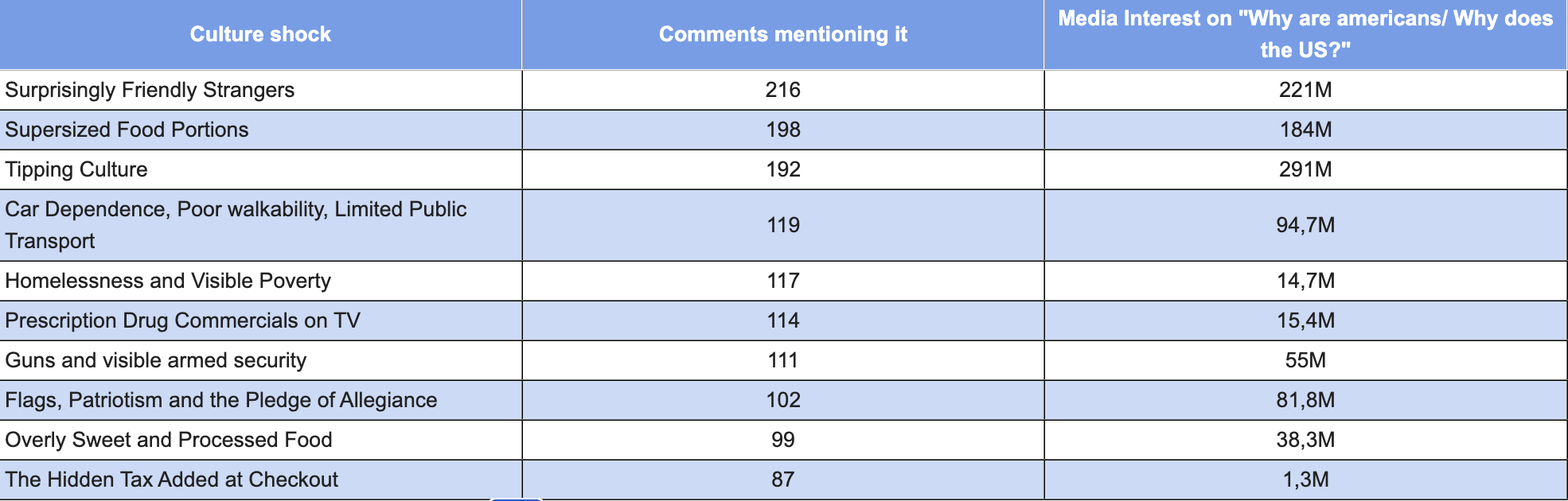
When foreign tourists step off the plane in the United States, they often expect the big landmarks. They anticipate seeing the Statue of Liberty, the Grand Canyon, or the neon signs of Times Square. Yet, the moments that stick with travelers are often the subtle daily habits that local residents take for granted.

Travel Writing vs. Travel Copywriting: Same Trip, Different Job
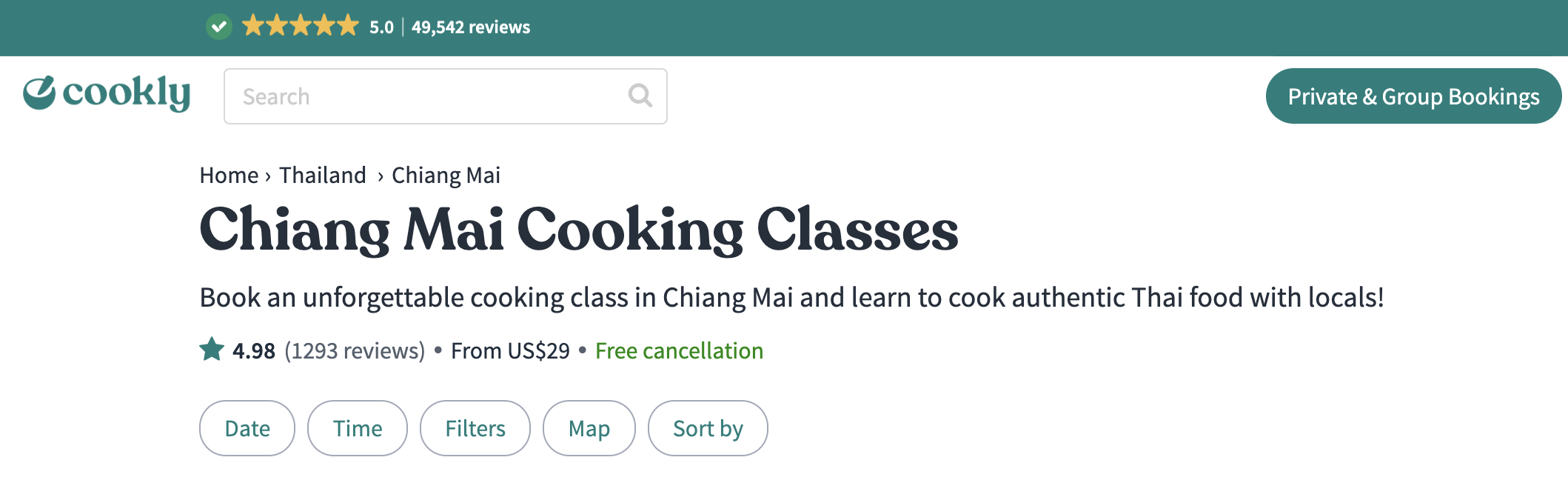
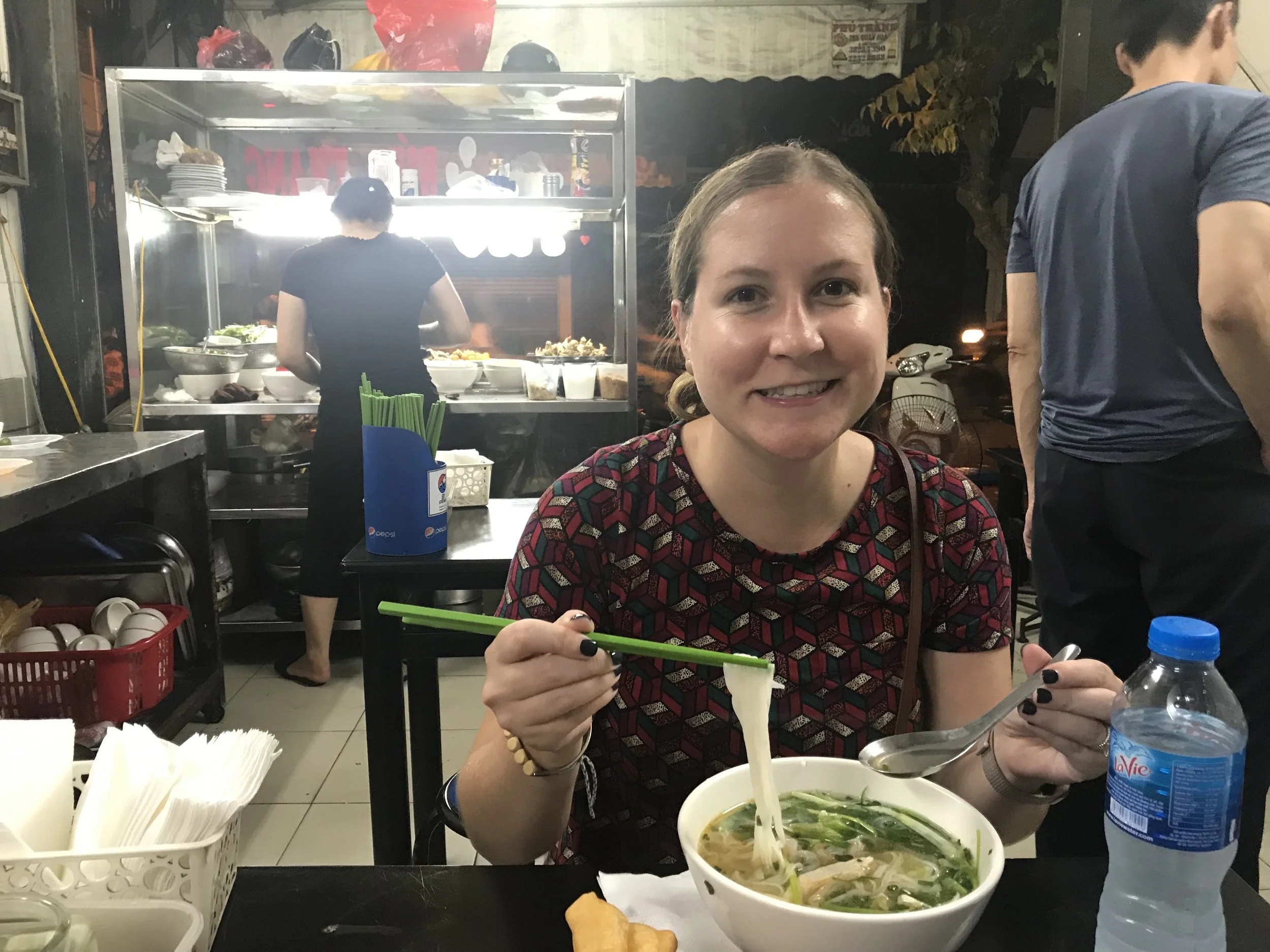
Years ago, I wrote about the same bowl of pho twice. The first time was for a Cookly booking page selling cooking classes in Hanoi. The second time was for a travel article about the city. Same soup, same city. Same writer but two completely different jobs. That pairing taught me the difference between travel writing and travel copywriting better than any definition could.

Writing for an Audience of One
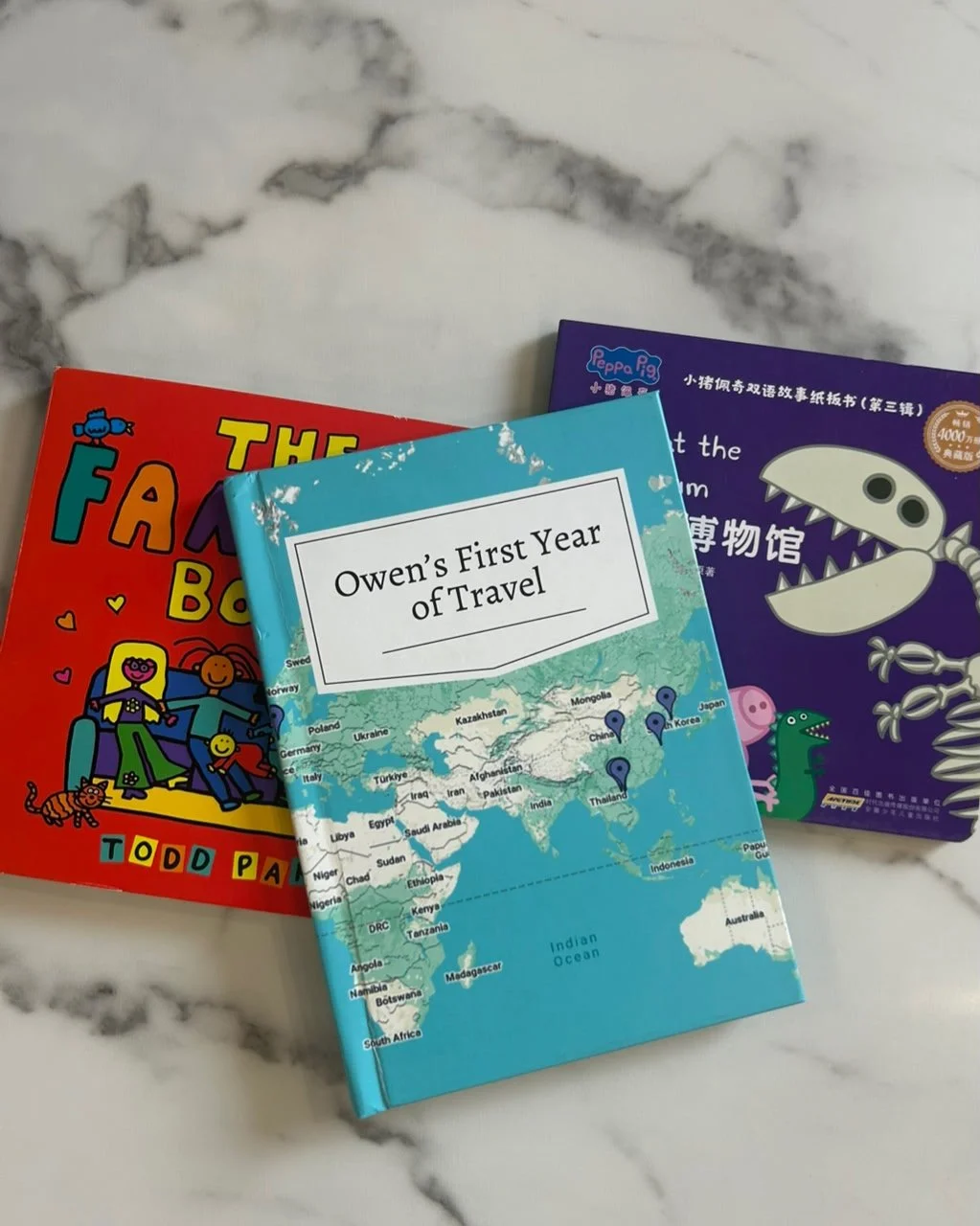
Every travel article I write has an audience of thousands. Every entry in my son's travel journal has an audience of one. The difference between those two acts has changed how I think about both.

Zero-Click Search vs. Traditional SEO: The Travel Writer's New Tightrope
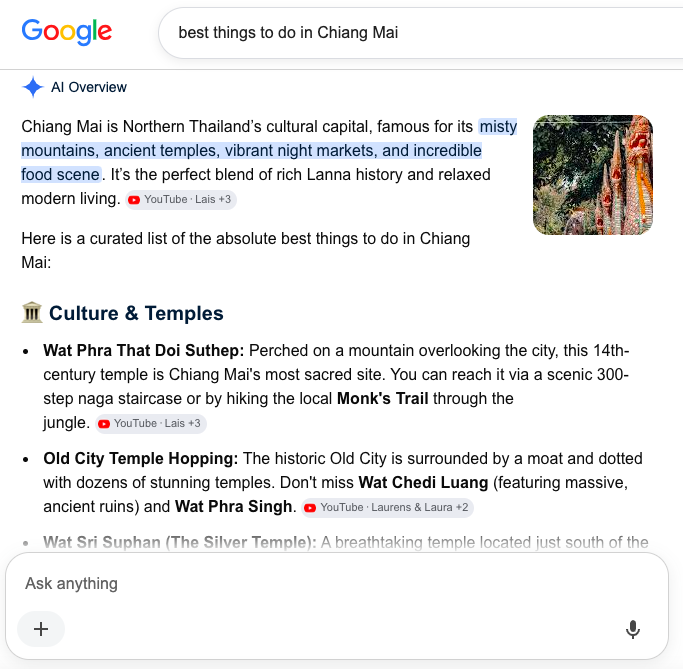
A few weeks ago, I searched for "best things to do in Chiang Mai." Google's AI Overview gave me a bulleted list before I clicked a single link. Temples, night markets, cooking classes; all summarized in 150 words. I got what I needed without visiting a single blog. As a travel writer, that should terrify me.

Writing B2B Content Makes Me a Better Travel Writer
For the past few months, I've been writing LinkedIn posts and articles for a company called 1stContact.ai. It's a CRM software for small businesses, creative professionals, and freelancers. And it’s not exactly the dreamy, sunset-over-Angkor-Wat content I'm usually chasing. I realized it was making me a sharper travel writer.

Research vs. Experience: How to Write About Places You've Never Visited
Last week, I was researching the Caspian Sea for a WorldAtlas article. It was fun to write but I've never been there. Travel makes me want to research, and research makes me want to travel. My love for one drives my love for the other, but they're separate passions. I can write about a place I've never visited because I know how to learn it deeply enough to explain it. I can also write about a place I know intimately because I've stood in its markets and eaten its street food.

The Luang Prabang Test: What This City Taught Me About Honest Travel Copy
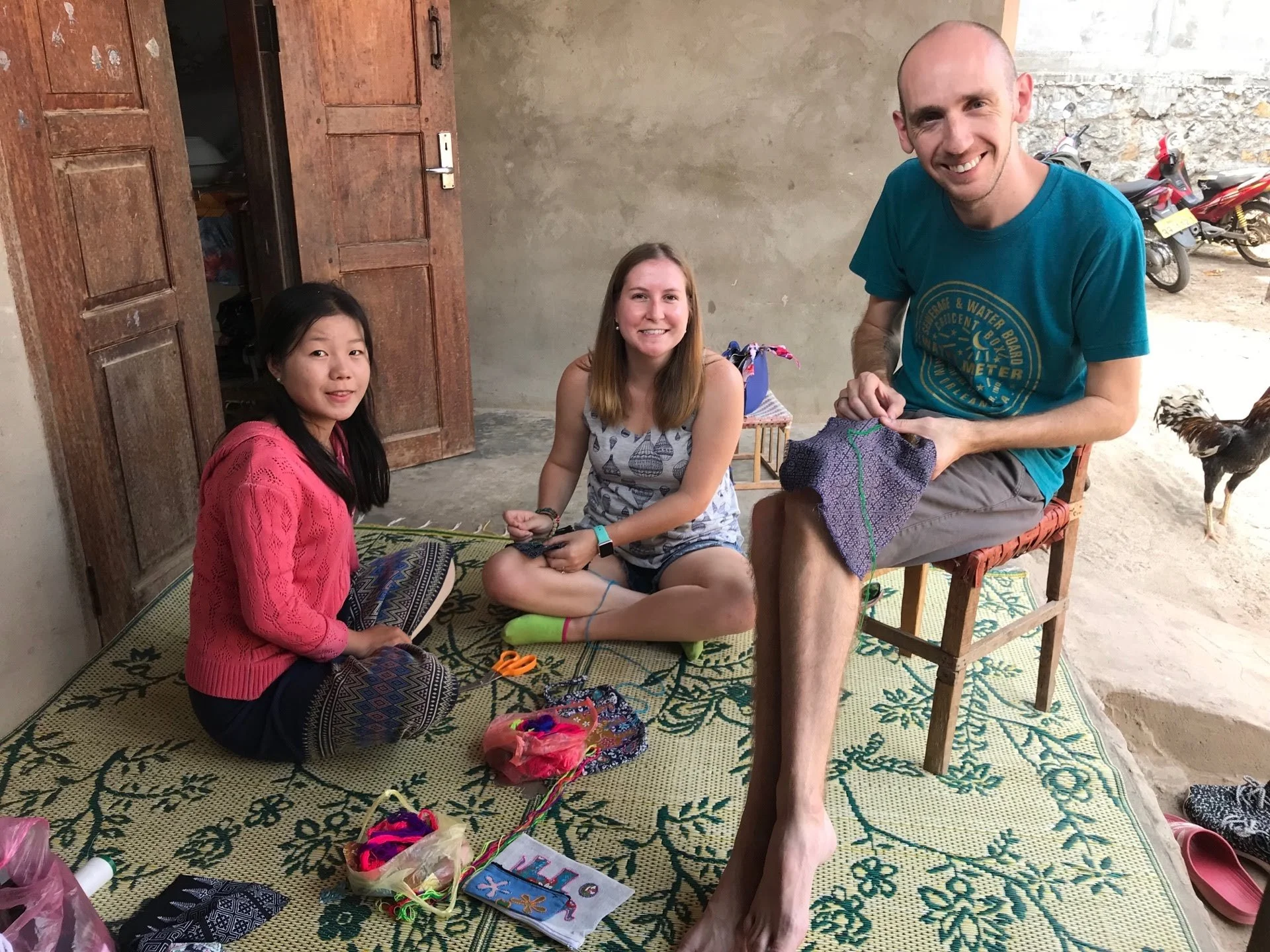
The night market in Luang Prabang opens at 5pm, and by 5:15 the main street is a river of backpackers. Twenty-year-olds in elephant pants haggling over hemp bracelets. Retired Europeans in linen shirts examining silk scarves. I stood there with my wife, expecting the usual tourist trap, the facade that hides the real city behind it. That's when I noticed the embroidery. I bought one not because I needed a souvenir, but because I finally understood what I was looking at: economic survival and cultural continuity in the same gesture. That was the first part of what I now call the Luang Prabang Test.

Flexibility is a Skill (You Can Learn from a Toddler)
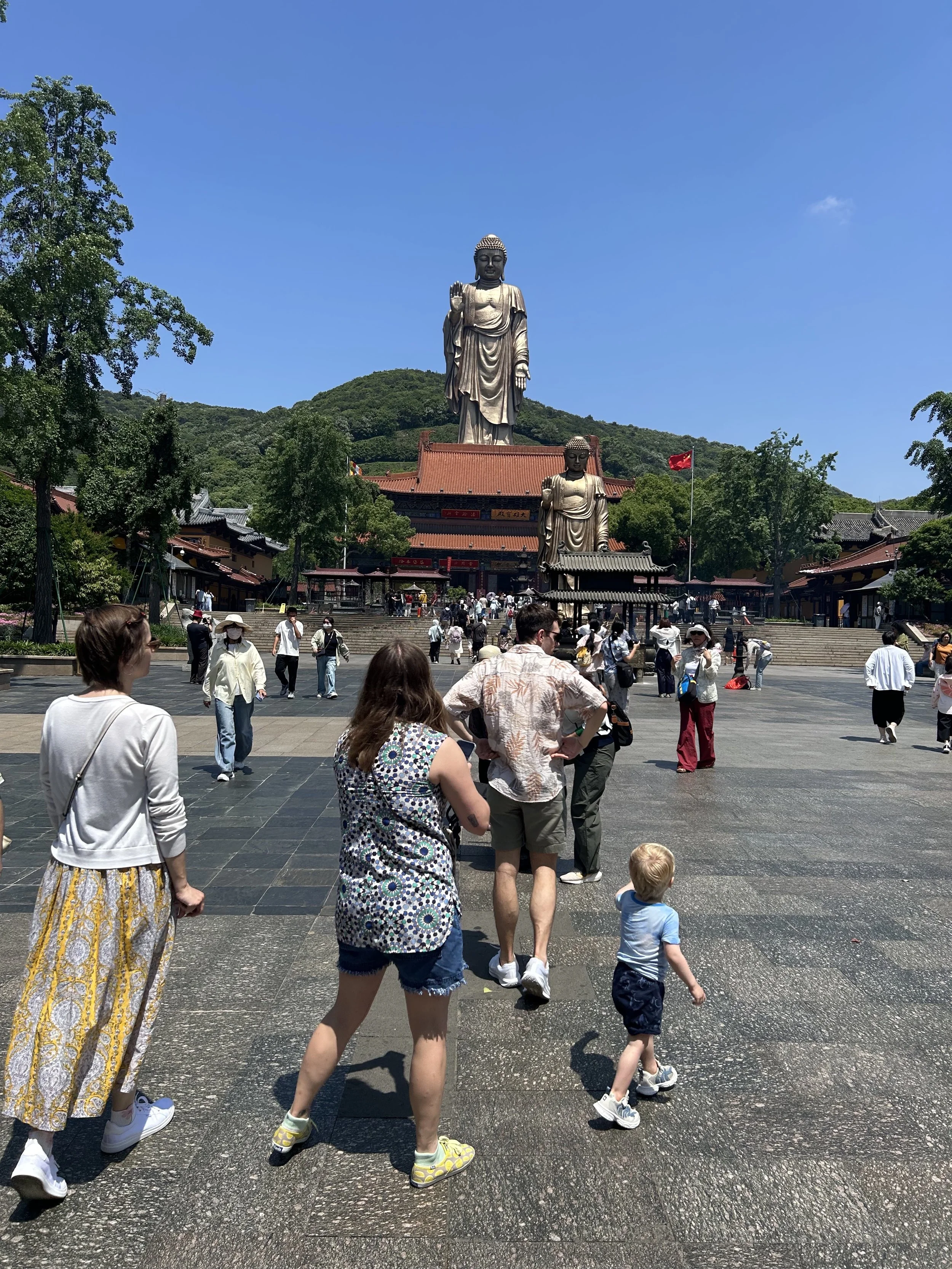
I recently took a weekend trip from Shanghai to Wuxi. Bullet train, two nights. Me, my wife, two friends, and our two-year-old son. We planned nothing. Why? Because every previous trip with a toddler taught me that plans are just suggestions written in pencil on wet paper.

Five Years is a Long Time on the Internet
I’ve been updating articles lately. Not writing new ones but revisiting old ones. Ones published between 2020 and 2022. Five years doesn’t feel that long in human years. A five-year-old is still a child. A five-year-old car is still fine. A five-year-old pair of jeans is probably just getting comfortable. But on the internet, five years is ancient.

I Read a Tennis Book (and I Don’t Like Tennis)
I don’t like tennis. I don’t dislike it either. I’m simply neutral. If you put a match on TV, I wouldn’t change the channel, but I’m not sure how much of it I’d actually watch. Tennis exists in my world the way zookeeping exists. I am glad someone is doing it, but that someone is not me. So when I was hired on UpWork to beta read a tennis-themed motivational book, I had two reactions.

Grammarly Wanted to Fix My “From-Scratch Pantry.” It Was Wrong.
I recently wrote a phrase that Grammarly did not like: "from-scratch pantry." The context was clear. I was talking about making things from scratch: sauces, breads, pickles, condiments, etc. The kind of pantry where nothing comes from a jar or a box, where everything is made by hand. Grammarly suggested a correction. It wanted me to change "from-scratch pantry" to "pantry from scratch." Wait. Isn’t that a completely different sentence?

My Headshot Is a Cropped Photo of Me Eating Pastries
Look at the photo next to this paragraph. It’s the one I use on LinkedIn. The one that’s supposed to make me look professional and trustworthy. Here is what you can’t see. Just outside the frame, in both of my hands, are two pastel de nata. Portuguese custard tarts. My favorite pastry to eat anywhere in the world. What else am I cropping out?

The Difference Between Editing for Native vs. Non-Native English Writers
A native English speaker writes: "I could care less about the outcome." A non-native English speaker writes the exact same sentence. Same words. Same grammar. One is wrong. The other is a common idiom that makes no sense if you think about it for two seconds. A good editor has to know the difference.

The Rhythm of a Sentence, or What 30 Years of Piano Taught Me
I’ve been playing piano since I was five years old. That’s over thirty years of sitting in front of a keyboard, learning how to make my fingers do what my ears expect to hear. I’ve played in churches, rock bands, country bands, and folk groups. Each genre has its own rhythm. And copywriting is the same instrument played in different rooms.

My Mortar and Pestle Articles Are Answering Google's AI
For a few years now, I have had two articles floating around the internet about how to choose the best mortar and pestle. I wrote them, published them, and mostly forgot about them. They ranked well, brought in traffic, and did their job. Last week, I searched "how do I choose the best mortar and pestle to buy" on Google. The AI pulled material recommendations from the Cookly article and size and shape advice from the KROK article. Two different brands, one AI answer, zero clicks required.

The Localization Fix That Saves Your Brand Embarrassment
A single mistranslation on your website can make your brand look amateur. I have seen it happen to billion-dollar companies. They cost real money to fix. They also cost something harder to measure: trust.

Why Your International Brand Sounds Generic
International brands have a problem. They sand down their edges to appeal to everyone, and the result is copy that is inoffensive and forgettable. I have seen this happen over and over. A brand hires a translator or uses AI to produce English copy. The grammar is fine. The meaning is clear. But something is missing, the copy has no personality. It sounds like it could have been written by anyone.

Does Your WeChat English Sound Foreign to Foreigners?
I’ve been in Shanghai for almost three years now. I have ordered coffee with hand gestures, paid for vegetables by showing my phone screen, and explained my job to taxi drivers who definitely did not understand what a copywriter does. But the hardest thing I have done here is read WeChat. And it’s not because of the Chinese, it’s because of the English translated from Chinese!

And Yet.
I have two literary tattoos. The first is Kurt Vonnegut’s asterisk on my hand, a reminder to write clearly and respect the reader. The second is smaller, two words, tucked against my collarbone where only I notice it most days. “And yet.”
The line between authentic destination insight and obligation-driven marketing keeps getting blurrier. Between hosted press trips, sponsored itineraries, and content quotas, it’s easy for travel writing to feel manufactured. I recently shared a reflection on Substack about how I balance a career in travel copywriting with personal exploration.