What Language Apps Taught Me About Copy
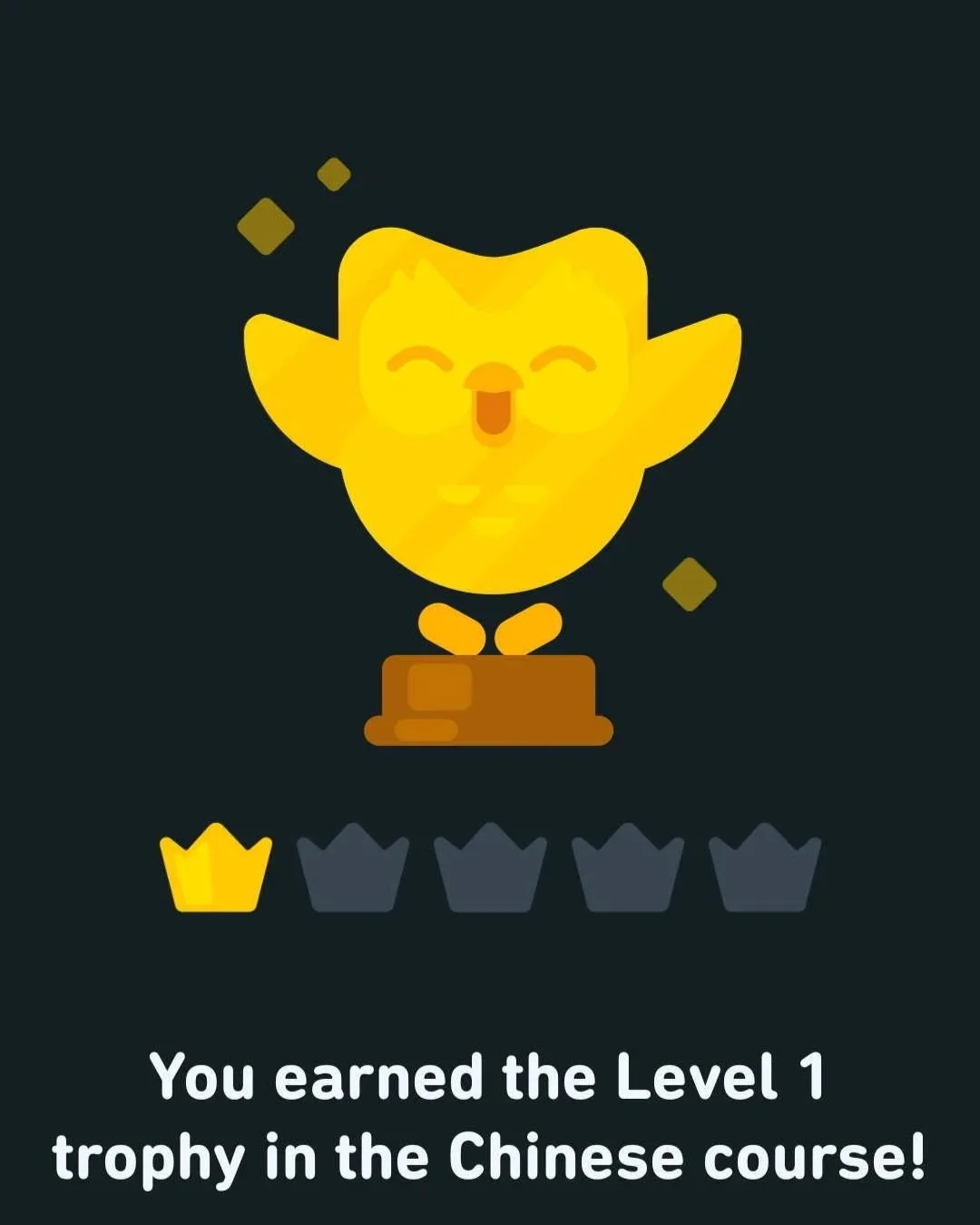
I’ve been learning Chinese through group classes, private lessons, and apps over the last few years, and each tool works differently because each tool serves a different kind of need. The app is perfect for vocabulary drills when I have five minutes between meetings. The private lesson is essential for conversation practice when I have an hour to focus. The group class works best for accountability and structure when I need to stay on a consistent schedule.
The mistake many learners make is using the wrong tool for the job at hand. An app will not teach you to hold a real conversation with a taxi driver, no matter how many streaks you maintain. A private lesson is overkill for learning ten new characters that an app could teach you in five minutes. A group class is inefficient for a specific question that only you have and that the teacher cannot address without slowing down nineteen other students.
The Right Voice for the Right Channel
Copywriting has the same problem, and I see it constantly. Brands use the same voice for every channel regardless of what that channel is meant to do. A white paper reads like an Instagram caption. An email newsletter sounds exactly like a landing page. The tool does not match the job, and the reader can feel the mismatch even if they can’t name it.
Different copy serves fundamentally different needs. A tweet needs to grab attention in under 280 characters, which means short words, sharp angles, and no room for wandering or throat-clearing. A newsletter needs to nurture a relationship over time, which allows for longer sentences, personal details, and a voice that feels like a friend checking in rather than a salesperson closing a deal. A sales page needs to convince someone to take a specific action, which requires benefits over features, social proof, and a clear path to the button at every scroll depth.
Using the same voice everywhere is like using a language learning app to prepare for a job interview in Chinese. You’ll know some words, certainly, but you won’t know how to hold a conversation when the stakes are high and the other person is not a cartoon character on a screen.
The Tools I Used and What Each One Taught Me
Duolingo taught me characters through daily repetition. Five minutes a day with no pressure and no judgment built a habit that stuck. The app is good for what it is good for, which is vocabulary building and habit forming, but it is not good for conversation, grammar, or understanding the rhythm of spoken Chinese.
My private tutor taught me to speak. Two hours each week of someone correcting my tones, my word order, and my hesitation built skills that no app could touch. The lesson was expensive and worth every kuai because the need was specific. I needed to talk to real people in real situations, and a private lesson is the right tool for that job.
The group class taught me patience and accountability. Five students, one teacher, and a wide range of abilities meant the class moved at the speed of the middle. Too slow for me some days and too fast for me on others, but the structure kept me showing up week after week. The accountability was the real value, not the instruction itself.
Applying the Lesson to Copy
Before I write anything now, I ask what the tool is actually for. A tweet is Duolingo: quick, sharp, focused on one thing only with no room for extras. A newsletter is the group class: slower, built on habit and trust, where the reader shows up because they value the structure and the consistency. A sales page is the private lesson: focused, expensive in terms of effort, and worth it because the stakes are high and the outcome matters.
The voice changes because the need changes. Use the right tool for the job, say the right thing in the right way, and trust that the reader will feel the difference even if they can’t name what you’ve done differently.
I am currently looking for a copywriting role where I can help brands match their voice to the channel, the audience, and the goal of each piece. If you are tired of copy that sounds the same everywhere and works nowhere, view my portfolio or reach out. I would love to talk about what your brand sounds like when the tool finally fits the job.