Travel Writing vs. Travel Copywriting: Same Trip, Different Job
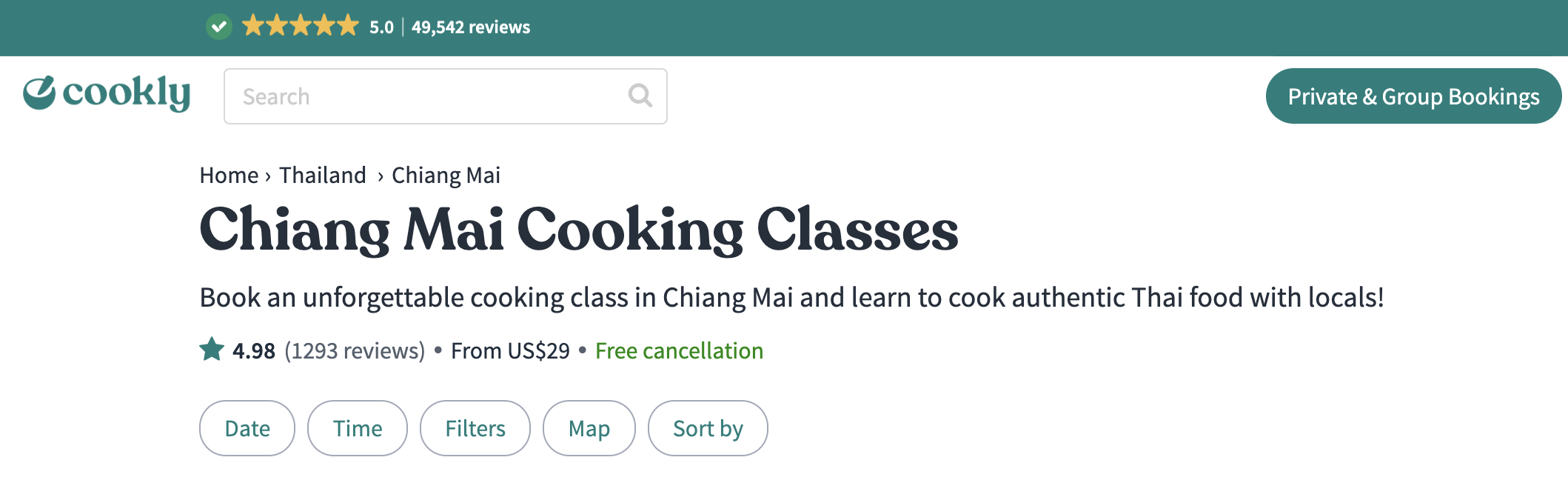
Years ago, I wrote about the same bowl of pho twice. The first time was for a Cookly booking page selling cooking classes in Hanoi. The second time was for a travel article about the city. Same soup, same city. Same writer but two completely different jobs.
That pairing taught me the difference between travel writing and travel copywriting better than any definition could.
The Simplest Difference I Know
Travel writing is about the place. Travel copywriting is about the reader's next step.
In a travel article, the destination is the product I’m selling. My job is to make you see the night market, smell the charcoal, understand why the bamboo bridge only stands six months of the year. If you finish the article and feel something, I did my job. The article itself was the point.
In travel copy, the client's offer is the product. My job is to move you one step closer to booking the class, reserving the room, joining the tour. The bowl of pho still matters. But it matters because it helps you decide, not because it deserves its own essay.
The Last Sentence Test
Here's the fastest way to tell the two apart: look at the ending.
A travel article ends with an image. A feeling. Something that lingers. The last sentence is a door closing gently behind you.
Travel copy ends with a door opening. Book now. Check availability. Send the inquiry. The last sentence isn't the end of my experience, but hopefully it's the beginning of yours.
Neither is better. Both are craft. But the mistake is confusing them. I've read booking pages that end like essays, all atmosphere and no ask. I've read articles that end like ads. Both fail because the writer forgot which job they were doing.
What Each Craft Teaches the Other
Travel writing taught me detail. Twenty years of traveling, of standing in markets and eating street food, means I know what a place actually feels like at 6 am, before the tour buses arrive. And readers can tell.
Travel copywriting taught me economy. When every sentence has to earn its place, you learn to cut the clever line that serves you instead of the reader. You learn to write for the person holding the phone, not the person holding the pen.
The two skills compound. My articles got tighter because of the copy work. My copy got more vivid because of the articles. The writer who only does one is missing half the education.
Why the Overlap Matters
Most travel brands hire one person to inspire and another to sell. The inspiration writer has never been asked to convert. The conversion writer has never been to the country. The brand voice splits down the middle, and the reader feels it.
I do both because I've always done both. When I write your booking page, the khao soi detail is real because I've eaten it. When I write your destination guide, the ask is clear because I know what a reader needs before they commit.
If your travel content reads like it was written by someone who has never been there, or your booking pages read as if nobody asked for the sale, let's fix that. View my portfolio or reach out. I'd love to hear what you're working on.
