The Copy & Craft Blog

Featured Travel Blogs
All Blogs

Localization is More Than Changing Colour to Color
Most people think localization means swapping British spelling for American or changing “lift” to “elevator.” That’s the shallow version, and it’s what most agencies offer. Real localization goes much deeper. It means understanding what a reader expects from a piece of copy based on where they live, and it means knowing that a word-for-word translation often misses the point entirely.

Driving Around the World Taught Me to Write for Different Audiences
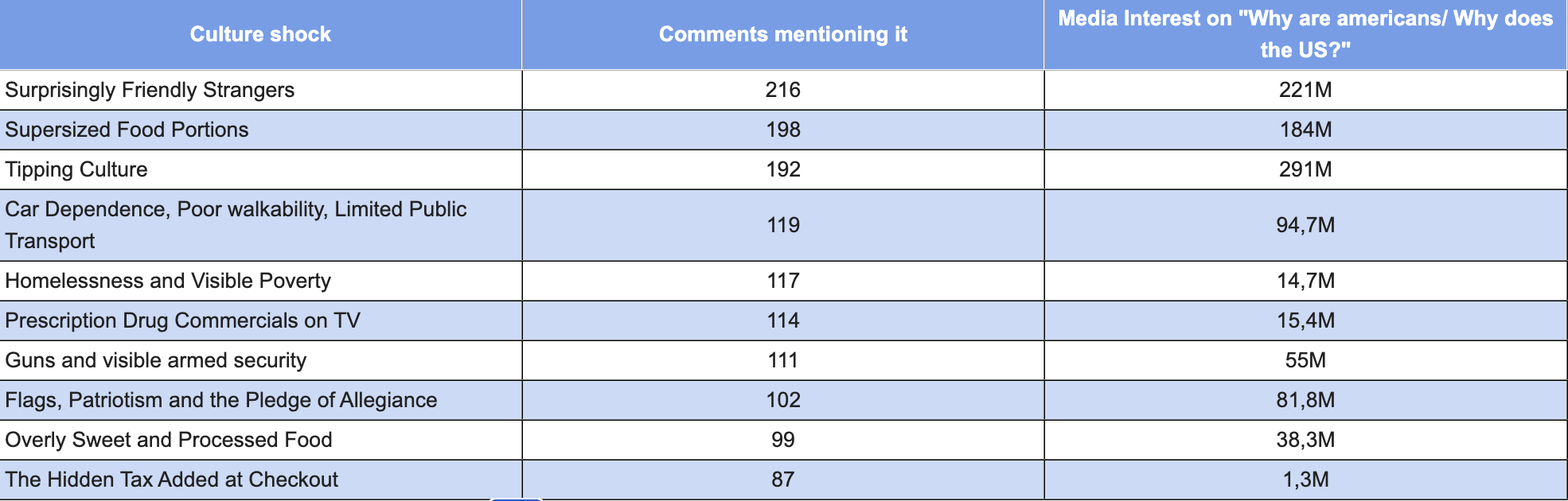
I’ve held driver’s licenses in the United States, Thailand, and Germany. I’ve driven on highways and back roads in twelve countries across four continents. Every time I get behind the wheel in a new place, I learn the same lesson all over again. The rules are written down, but the real education comes from what no one tells you.

A Cooking Teacher in Bali Taught Me How to Preserve Voice
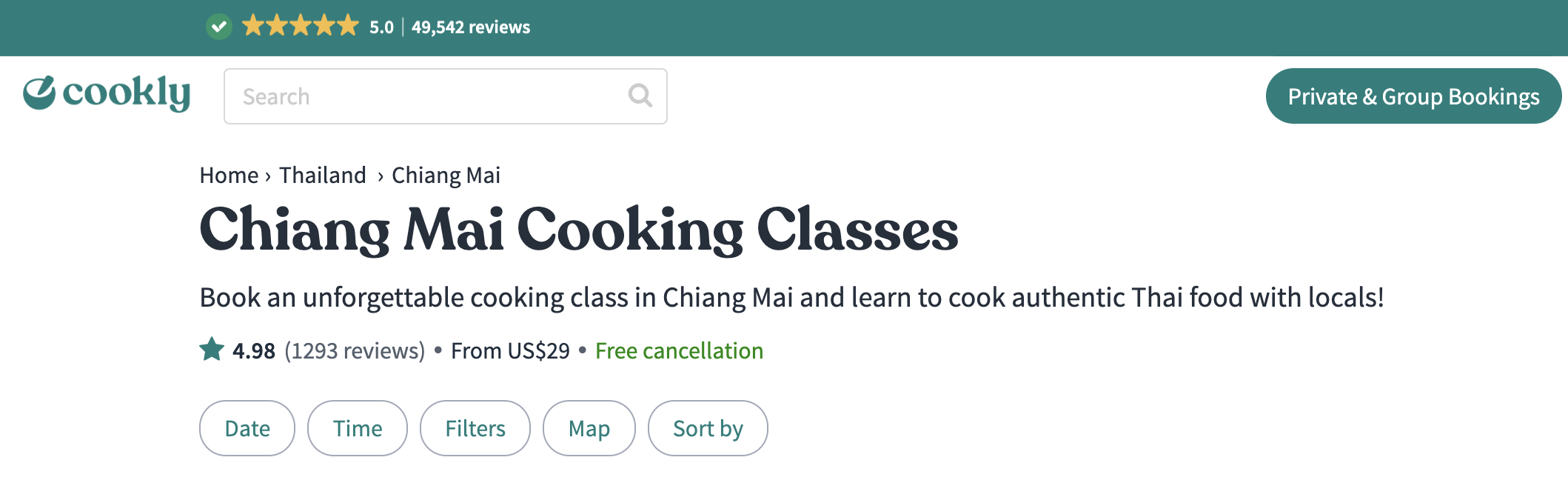
At Cookly, I edited booking pages for cooking classes and food tours all over the world. A teacher in Bali would fill out a questionnaire about their class, and I would turn their answers into a polished booking page. A lot of the grammar needed work, but the voice was always there from the beginning. My job was to clear the path, not to build a new road.

Reading About Three Countries Taught Me to Research Any Industry
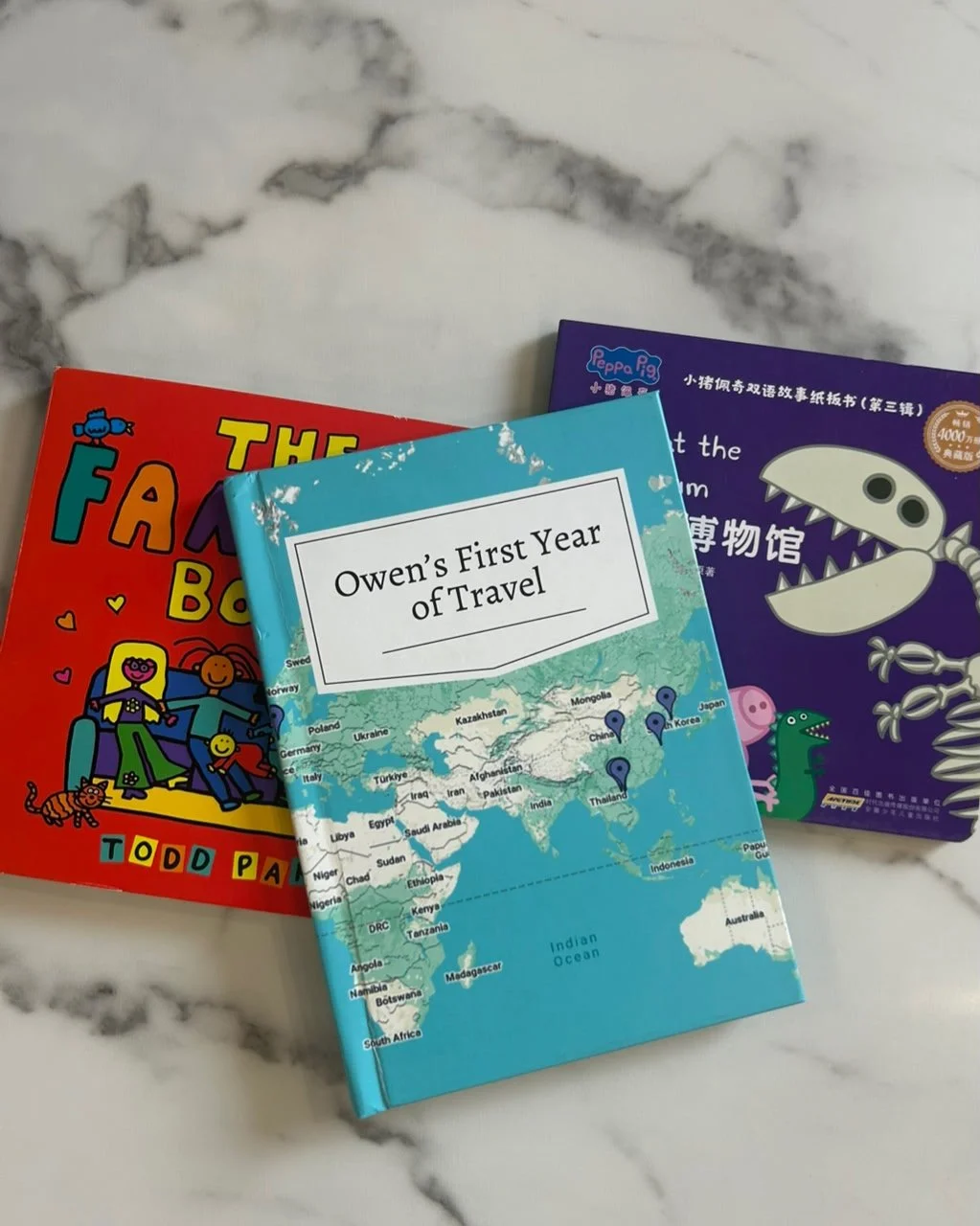
Before moving to different countries, the author read local literature to gain a deeper understanding of each culture. This approach enhanced their experiences in Thailand, Germany, and China, revealing insights beyond surface-level knowledge. The author emphasizes that thorough research while writing builds trust with clients and improves the quality of the work produced.

Same Same But Different: A Lesson in Positioning
Thai sellers have a wonderful phrase for tourists who are comparing products. It’s the most honest marketing I’ve ever heard, and most brands could learn something from a street seller in Bangkok.

The German Train Problem: Why Punctuality Is a Promise, Not a Reality
Germans have a reputation for punctuality that precedes them almost everywhere in the world. Ask anyone (not in Germany) about German stereotypes and you will hear it within the first few answers. German trains run on time. German people arrive early. And German efficiency is legendary. It is a brand promise that the reality frequently fails to meet.

Learning Chinese Taught Me How to Write for People Who Don't Speak Your Language
When I started learning Chinese, I couldn’t say very much. I knew a few random nouns and verbs and could count to 10. There was no way I was building a sentence. But living in Shanghai, I learned something surprising. A single correct word, placed correctly, worked better than a dozen guessed ones. “Water” got me water. “Bathroom” got me pointed in the right direction. “Zhège” while pointing to a menu got me fed. The precision mattered more than the quantity of words.

The Best Travel Advice is Also the Best Copywriting Advice
Someone once told me that the secret to travel is to stop trying to see everything and start trying to actually be somewhere. When I write copy, I ask myself the same question I learned to ask about travel. Are you trying to be everywhere at once? Or are you actually trying to be somewhere?

Lost in Translation: Why Direct Copy Never Works
I’ve spent enough time in countries where I don’t speak the language to know that Google Translate is a liar. It will give you words. It will not give you meaning. A direct translation might be technically correct, but it almost never lands the way you want it to. Meaning lives in context, in tone, in the gaps between words. What works in one language often sounds hollow or strange when carried straight across.

Three Countries, Three Languages, and One Lesson About Brand Voice
I have lived in Thailand, Germany, and China. Nine years across three countries, where I arrived speaking almost none of the language each time. You learn quickly that communication is not about knowing the right words. It is about reading the room.

The Packing List Method: How Travel Taught Me to Edit Copy
I have watched a lot of people overpack. Friends who bring seven pairs of shoes for a weeklong trip. Backpackers whose bags are so heavy that they have to sit on them to zip them shut. Travelers who pack for every possible scenario instead of the one they are actually walking into. When I edit copy, I ask the same question a traveler should ask before zipping their bag.
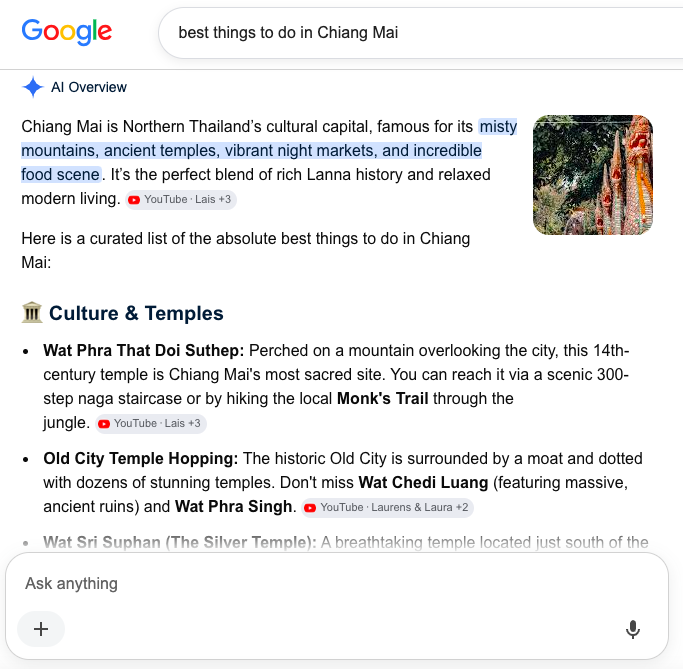
The line between authentic destination insight and obligation-driven marketing keeps getting blurrier. Between hosted press trips, sponsored itineraries, and content quotas, it’s easy for travel writing to feel manufactured. I recently shared a reflection on Substack about how I balance a career in travel copywriting with personal exploration.